Up Your Space: Home Extensions Builders 101
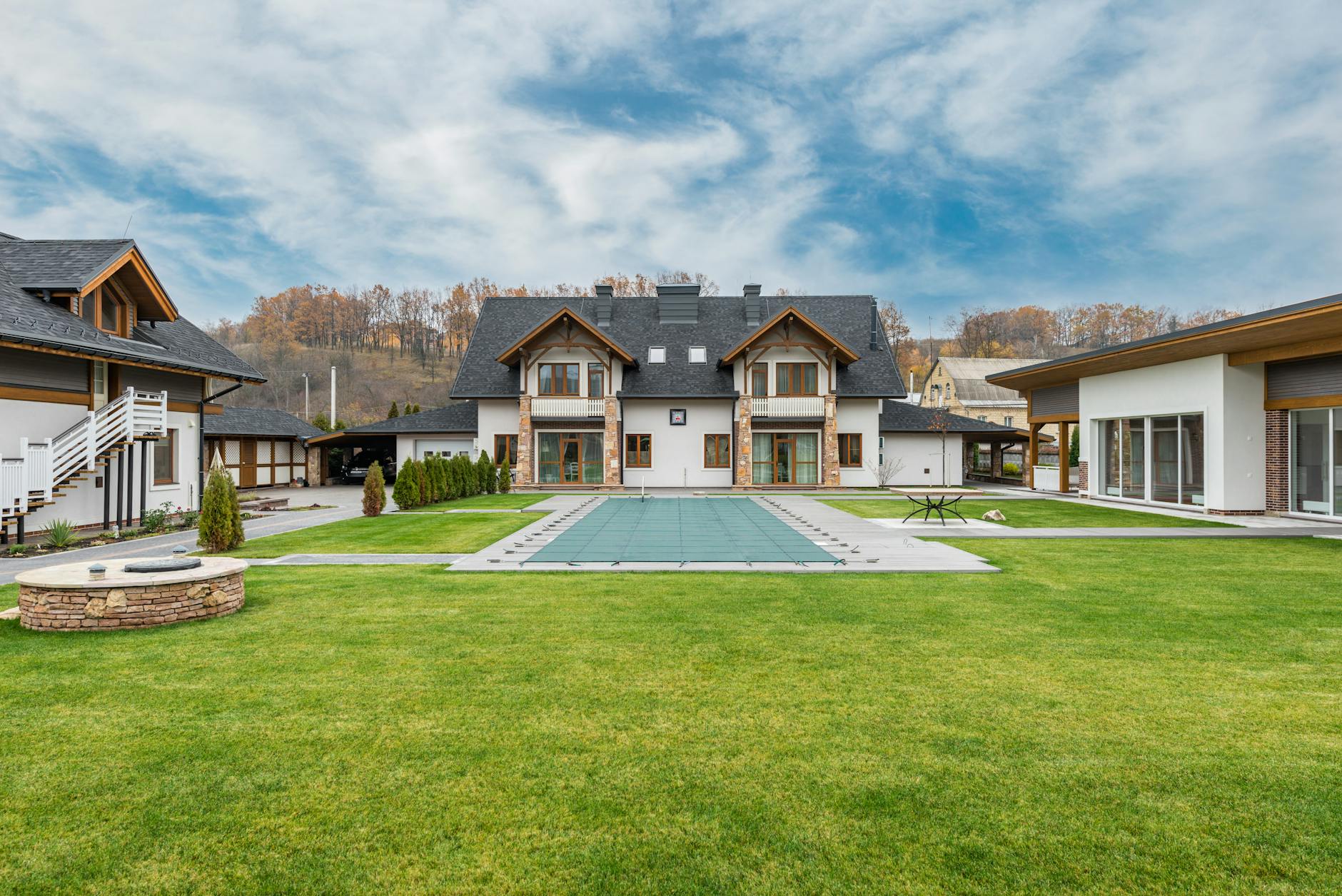
Expanding your home is a significant investment and requires careful planning to achieve the desired outcomes. It's not just about adding more square footage—it's about enhancing your living space in a way that aligns with your lifestyle, preferences, and budget. In this educational article, we delve into the essentials of home extensions with advice from top builders to help you make informed decisions and execute your expansion project efficiently and beautifully.
Understanding the Basics of Home Extension
Before diving into any construction, it's essential to grasp the basics.
Why Consider a Home Extension?
A home extension can serve multiple purposes:
-
Accommodating a growing family
-
Increasing property value
-
Adding a home office or gym
-
Enhancing aesthetic appeal
Types of Home Extensions
There are various types of home extensions, including:
-
Single-storey extensions: Expand your footprint on one level, such as a kitchen or living room extension.
-
Multi-storey extensions: Add additional floors to your home, increasing living space on multiple levels.
-
Conservatories: Typically made of glass, these provide a sunroom or garden room.
-
Loft conversions: Transform unused attic space into livable areas.
-
Basement conversions: Turn a basement into a functional part of the home, like a den or an additional bedroom.
Planning Your Home Extension
Effective planning is critical to a successful home extension.
1. Define Your Objectives
Set clear goals. What do you need from the extension? More bedrooms, a larger kitchen, or a space to relax?
2. Budgeting
Know what you can afford. Consult with professionals for quotes and consider unexpected costs.
3. Design and Architecture
Enlist an architect or designer to create plans that integrate with your current home's style and meet regulations.
4. Permissions and Regulations
Check with local authorities regarding planning permissions and building regulations. Obtain the necessary approvals.
5. Choosing the Right Builder
Research and select a reputable builder with experience in home extensions. Ask for references and review their portfolios.
The Construction Process
Understand the typical steps in the construction of your home extension.
-
Groundwork: Laying the foundations and preparing the site.
-
Structure: Erecting walls and roof structures and making the extension watertight.
-
Utilities: Extending electrical, plumbing, and heating systems to the new space.
-
Fit-out: Internal works, including insulation, plastering, flooring, and installing fixtures.
-
Finishing Touches: Painting, decorating, and final touches.
Expert Tips for a Successful Home Extension
Builders with years of experience offer the following advice:
-
Efficiency in Design: Maximize natural light and consider energy-efficient materials and building methods.
-
Harmony with Existing Structure: Ensure the extension design complements your existing home.
-
Quality Over Cost: Investing in quality materials and workmanship saves money in the long run.
-
Communication: Keep the lines of communication open with your builder and architect.
-
Future-Proofing: Consider how your needs might change and design with adaptability in mind.
Conclusion: Start Expanding Your Space Today
A home extension can be a rewarding project that adds significant value and enjoyment to your home. By taking the time to educate yourself on the process, working with skilled professionals, and investing in quality, you can enhance your living space efficiently and beautifully. Begin your journey to a more spacious and enjoyable home today!